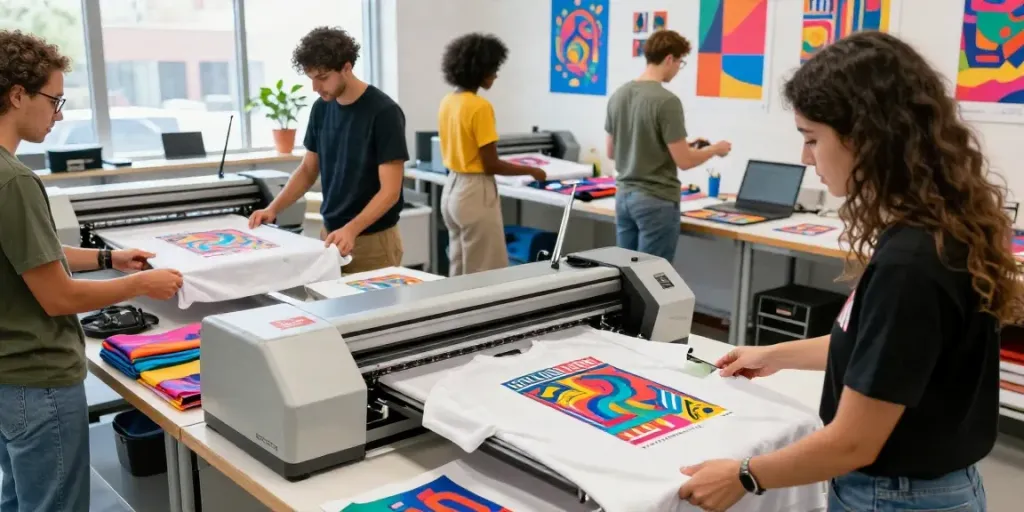
Understanding the Benefits of a T-Shirt Printer
For entrepreneurs and small businesses venturing into the world of custom apparel, investing in a impresora de camisetas can be a game-changer. These machines enable users to create vibrant, personalized designs that cater to an ever-growing market for unique clothing items. In this comprehensive guide, we’ll delve into the advantages of having a T-shirt printer, focusing on the latest technologies available for 2026 and beyond. Whether you're exploring options for a small-scale venture or a larger business, understanding these benefits is vital to making informed decisions.
Why Choose a Sublimation Printer?
Sublimation printers stand out for their ability to produce high-quality prints with bright colors and intricate details. They work by converting ink into gas, which then bonds with the fabric, ensuring that the designs won't fade or crack over time. This technology is particularly beneficial for businesses focusing on apparel that undergoes frequent washing. The durability of sublimation prints makes them ideal for sportswear and promotional apparel, which are often subjected to harsh conditions.
Key Features of High-Performance Models
- Speed: High-performance sublimation printers boast rapid print speeds, enabling businesses to fulfill larger orders with efficiency.
- Image Quality: These machines deliver exceptional clarity and color richness, which can enhance customer satisfaction and foster repeat business.
- Versatility: Capable of printing on various materials beyond just polyester, high-performance models can accommodate diverse textile choices.
Cost-Effectiveness for Small Businesses
The initial investment in a T-shirt printer can be significant, but the long-term benefits often outweigh the costs. Having an in-house printing setup allows businesses to bypass outsourcing, which can lead to substantial savings over time. Additionally, the control over quality and design adjustments ensures that the final products meet customer expectations consistently.
Types of T-Shirt Printing Technologies
In the competitive landscape of apparel printing, understanding the various technologies available is crucial for any entrepreneur. Each method offers unique benefits that cater to different business models and customer needs.
DTG vs. DTF: What’s the Difference?
Direct-to-Garment (DTG) and Direct-to-Film (DTF) printing are two prominent technologies prevalent in the custom apparel market. DTG is ideal for printing directly onto fabric, allowing for intricate designs and color gradations. However, it may require pre-treatment on certain materials, which can complicate the process. On the other hand, DTF printing provides more flexibility across different fabric types without the need for rigorous pre-treatment, making it an attractive option for businesses looking to streamline operations.
When to Use Vinyl Cutting
Vinyl cutting remains a popular choice for small-scale operations, especially for designs featuring bold colors or simple graphics. This method is best suited for businesses focused on custom logos, monograms, or single-color designs, as it produces clean lines and a professional finish. However, for more complex and colorful designs, DTG and DTF printers may be more effective.
Exploring Embroidery Techniques
Though not a printing method, embroidery adds a layer of texture and durability to apparel that printed designs cannot match. This technique is often reserved for logos or text but can enhance the overall aesthetic of custom garments. Understanding when to utilize embroidery alongside printing can help businesses offer more comprehensive customization options.
Best Practices for Using Your T-Shirt Printer
To maximize the longevity and output of your T-shirt printer, it is essential to adopt best practices that ensure optimal performance and high-quality prints.
Design Tips for Vibrant Prints
- Use High-Resolution Images: Always start with high-resolution graphics to avoid pixelation. Aim for at least 300 dpi when designing.
- Select the Right Color Profiles: Familiarize yourself with the CMYK and RGB color modes; selecting the appropriate profile will guarantee color accuracy in the final print.
- Test Prints: Before committing to a large batch, perform test prints to gauge how the design translates to fabric.
Maintaining Your Printer for Longevity
Regular maintenance is crucial for ensuring your printer operates efficiently. This includes cleaning the print heads, checking for software updates, and using the correct media for your prints. Neglecting maintenance can lead to costly repairs or diminished print quality over time.
Quality Control Measures
Implementing quality control measures during production can significantly enhance customer satisfaction. Establish standard procedures for inspecting prints before shipment to ensure they meet your business's quality benchmarks. This practice not only reinforces your brand's reputation but also fosters customer trust.
Real-World Applications of T-Shirt Printing
Understanding how T-shirt printing technology integrates into various business models can provide insights into the potential growth opportunities available in this sector.
From Custom Merchandise to Fashion Lines
The demand for custom merchandise is growing, driven by the desire for unique items that resonate with individual tastes. T-shirt printing technology allows businesses to cater to niche markets, producing limited-edition designs that can set them apart in a crowded marketplace. Whether launching a new fashion line or creating promotional merchandise for events, T-shirt printers can accommodate diverse design strategies.
Case Studies of Successful Small Businesses
Examining the success stories of small businesses that have effectively leveraged T-shirt printing technology reveals valuable lessons. For instance, a small boutique that specializes in eco-friendly apparel increased its sales by 40% after integrating an in-house DTG printer, allowing for quick turnarounds on custom designs while maintaining quality control. Such examples underscore the immense potential held by embracing modern printing technologies.
Marketing Your Custom T-Shirt Business
Effective marketing strategies can propel your custom T-shirt business to new heights. Utilize social media platforms to showcase unique designs, engage with customers through user-generated content, and consider leveraging influencers to expand your reach. A robust online presence can position you as a trendsetter in the custom apparel market.
Future Trends in T-Shirt Printing
The T-shirt printing industry is evolving rapidly, influenced by technological advancements and shifting consumer preferences. Staying abreast of these trends can help businesses remain competitive in 2026 and beyond.
Innovations in Printing Technology for 2026
Emerging technologies such as 3D printing and automation are set to transform the printing industry. These innovations promise to enhance production speeds and reduce operational costs, allowing businesses to scale more effectively. Staying informed about these advancements is essential for any entrepreneur aiming to stay ahead of the curve.
Sustainability in Textile Production
As consumers become increasingly aware of environmental impacts, the push for sustainable practices within the textile industry is more pronounced. Businesses will need to adapt by adopting eco-friendly materials and processes. This not only caters to consumer demand but can also improve brand loyalty among environmentally-conscious customers.
The Rise of On-Demand Printing Services
On-demand printing services are gaining traction as they allow businesses to offer a wide range of styles without the risks associated with overproduction. This model not only reduces waste but also aligns with current consumer trends favoring personalization. By integrating on-demand services, businesses can provide a unique shopping experience that keeps customers coming back.